Experian's AI Assistant: A Brave New World in Consumer Finance
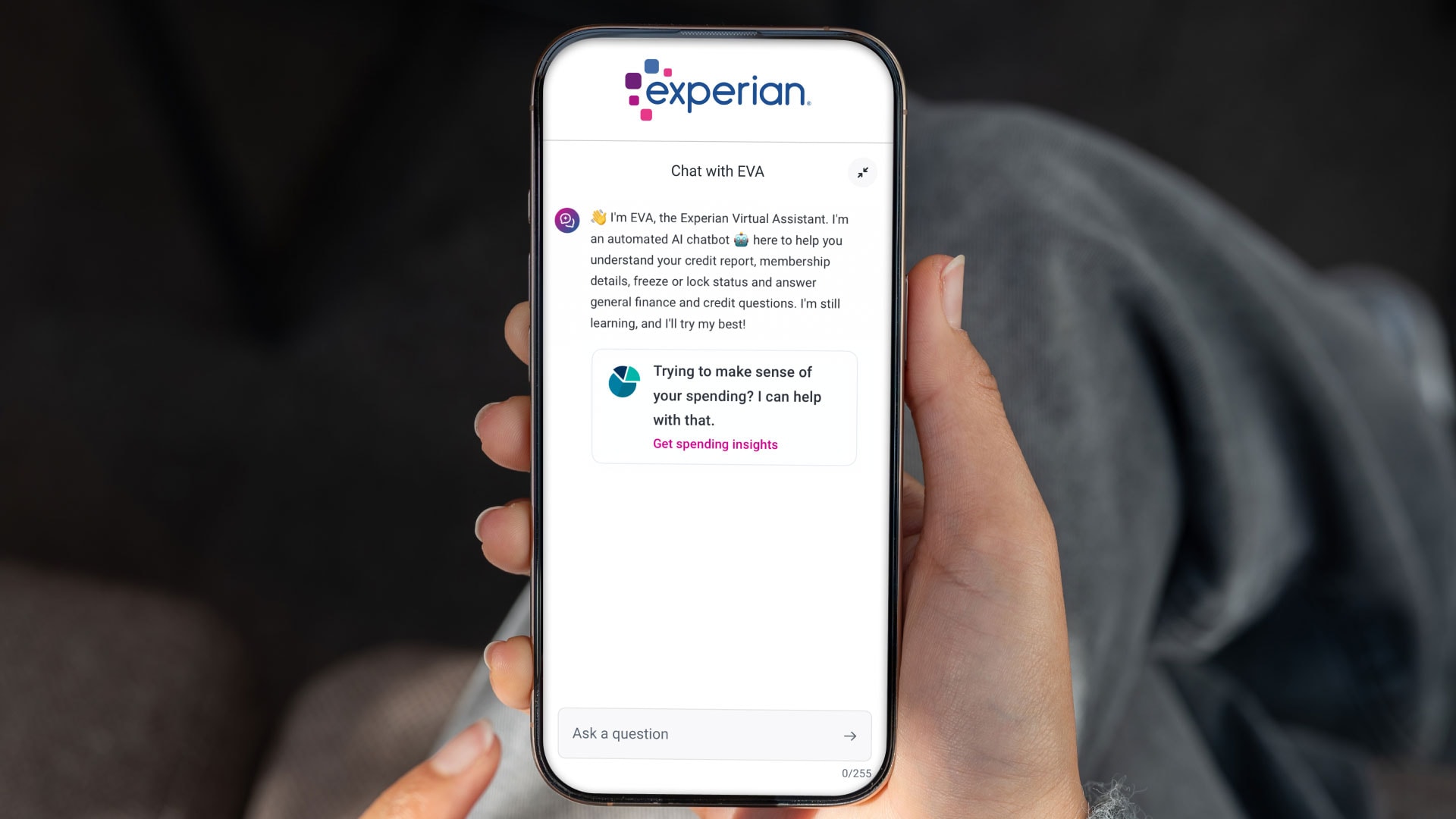
Experian steps boldly into AI-driven services with its Virtual Assistant, reaching beyond credit reporting while navigating industry regulations.
Experian plc, historically known for its credit reporting services, is taking a significant leap into the field of technology-driven services. With the latest release of its Experian Virtual Assistant, the company is harnessing artificial intelligence to redefine consumer financial guidance. This isn't merely an incremental update but a strategic pivot towards a future where AI plays a central role in financial services.
AI Meets Financial Guidance
Experian's move is a clear indication that AI isn't just for tech giants anymore. By integrating AI into its consumer offerings, Experian aims to provide personalized financial guidance, a task that involves navigating the stringent regulations that govern privacy and data handling. The challenge here's delivering tailored advice without running afoul of privacy laws, a tightrope walk that many in this industry have attempted, but not all have mastered.
Why does this matter? Financial guidance tailored through algorithms could potentially revolutionize how consumers manage their money, making it more accessible and personalized. But, as with anything involving personal data, there's a catch. Health data is the most personal asset you own. Tokenizing it raises questions we haven't answered. When financial data walks this razor's edge, concerns about data security and misuse are never far behind.
Regulation: A Double-Edged Sword
Operating within a tightly regulated industry, Experian's AI endeavor is both ambitious and fraught with challenges. The regulatory landscape demands that companies ensure not only the security of consumer data but also the transparency of how AI-driven decisions are made. Experian's success will hinge on its ability to maintain a strong audit trail, demonstrating compliance at every step.
The FDA doesn't care about your chain. It cares about your audit trail. Similarly, financial regulatory bodies will be less impressed by shiny new tech than by proof of responsible data handling. For consumers, this means trusting a corporation with their financial lifeline, a trust that's been hard-earned and easily lost.
The Consumer Impact
How will consumers react? The benefits of AI-driven financial guidance are clear, more accurate credit scores, personalized financial advice, and potentially better financial outcomes. However, the concern lies in how much consumers will need to sacrifice privacy. Patient consent doesn't belong in a centralized database, and one wonders if financial data should be any different.
Experian's AI assistant represents a significant step forward in consumer financial services, but it begs the question: at what cost to privacy and security? As we watch this space evolve, it's essential to stay critical of how personal data is used and protected. The future of financial services may be here, but the age-old question of trust remains as pertinent as ever.
Get AI news in your inbox
Daily digest of what matters in AI.